


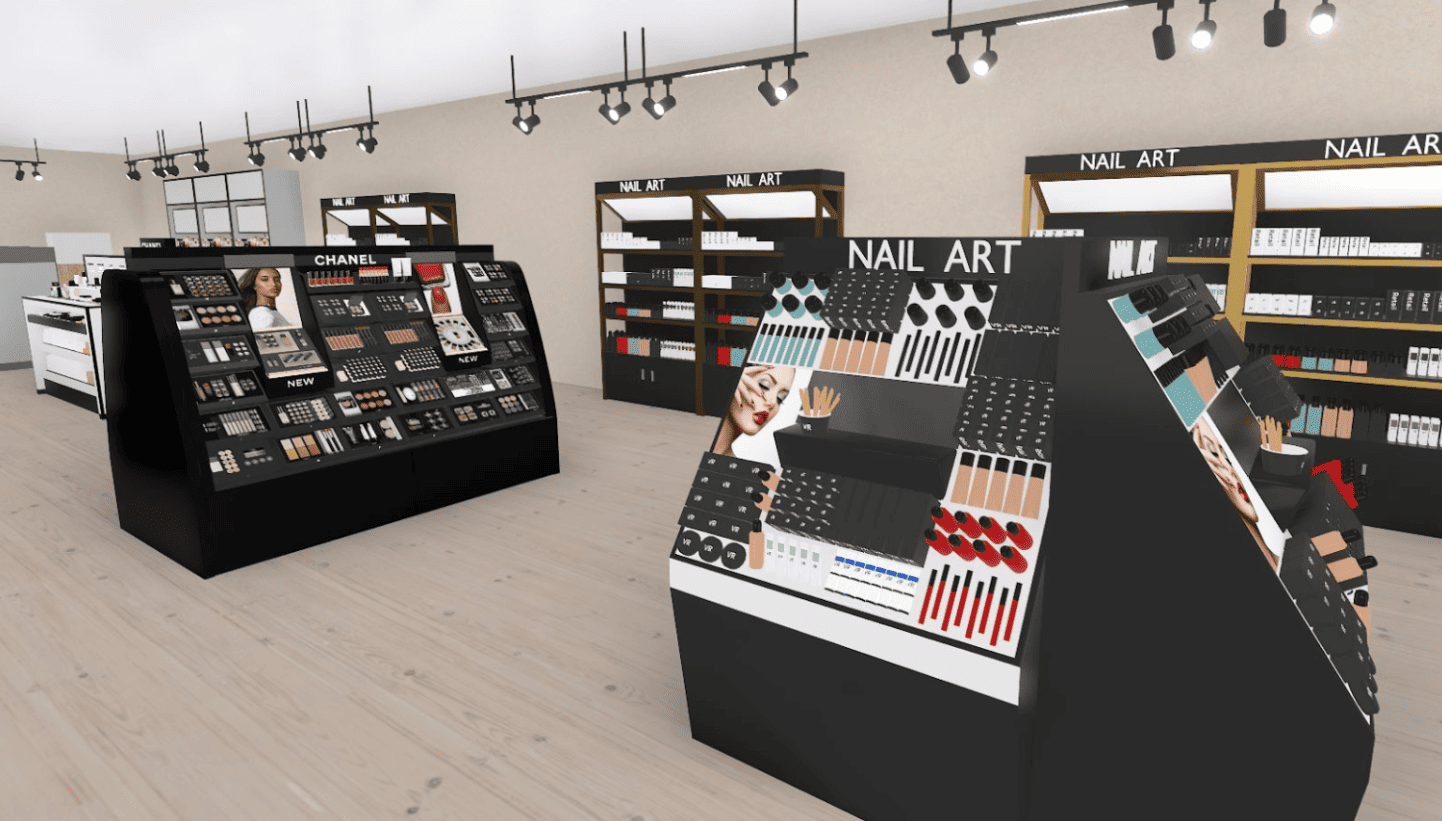
Rolling out international beauty merchandising guidelines isn't just about producing good documents. The real challenge is to align headquarters, subsidiaries, and the field around a single, concrete vision of the point of sale that can work across very different formats, cultures, and local constraints.
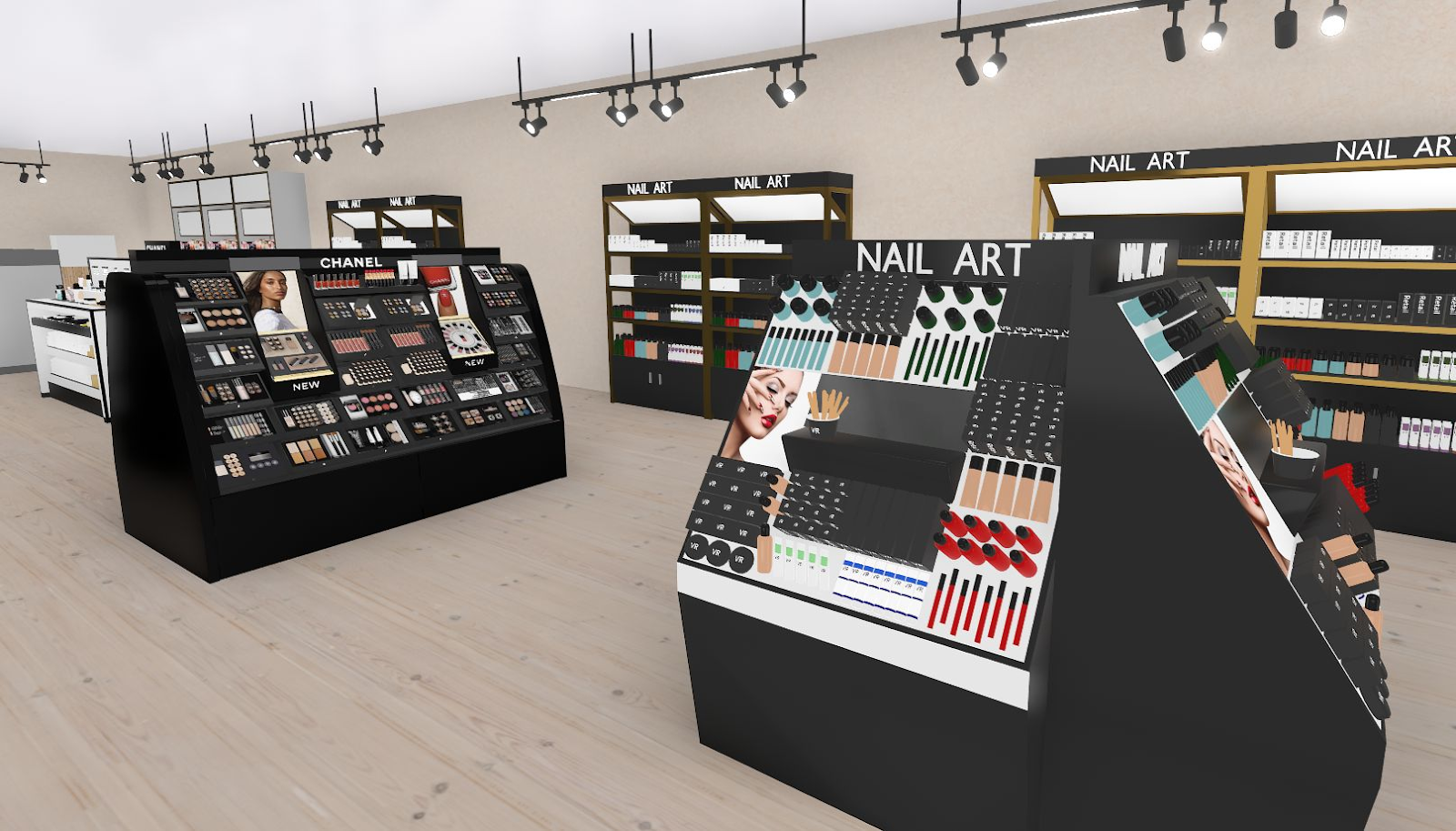
Why guidelines don't scale in international beauty networks
In many organizations, merchandising guidelines are solid on paper. They define brand rules, key messages, priority areas, and implementation standards. However, the larger the network grows, the more inconsistent the execution becomes.
The central teams develop concepts designed to be rolled out everywhere. The subsidiaries, meanwhile, have to deal with the reality on the ground: shelf space, types of pharmacies or perfume stores, regulatory constraints, local customs, and the maturity of the sales teams.
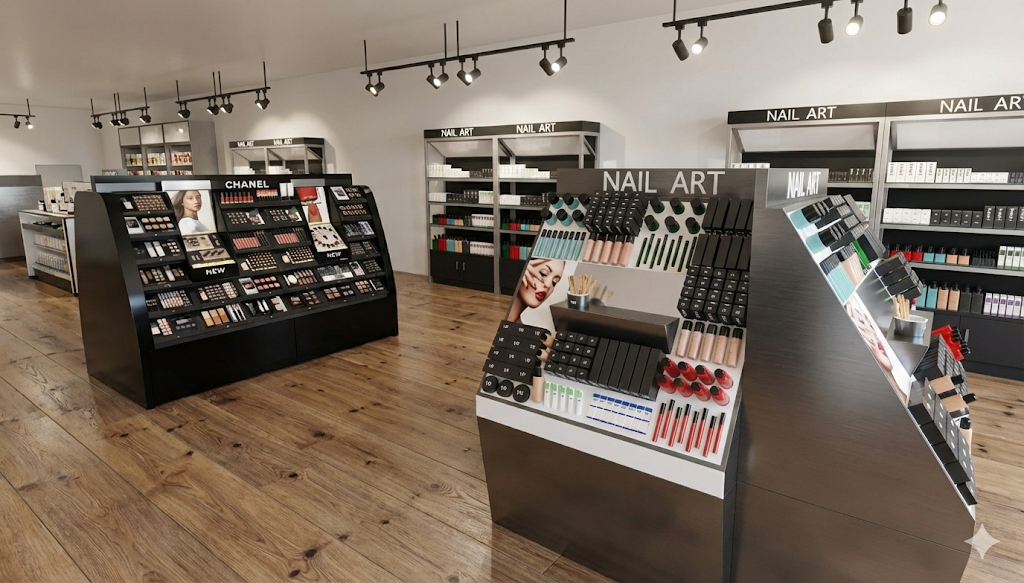
This discrepancy creates a well-known phenomenon in international networks:
what is "standard" at headquarters becomes "optional" in the field.
Over time, this generates invisible costs: constant back-and-forth between headquarters and countries, unexpected local adaptations, recreated materials, delayed launches, and sometimes even tensions with partner brands that no longer see the brand promise consistent across all points of sale.
According to McKinsey, integrating physical and digital experiences at the point of sale is a strategic lever for maximizing the value of each store visit, which requires consistent execution of merchandising standards across all formats.
What the Bioderma case shows: transforming a guideline into a management tool, not just a document
For certain dermo-cosmetic brands present in dozens of countries, the question is no longer simply "how to define good guidelines," but "how to make them truly usable by all teams."
In the case of Bioderma, the challenge was clear: to ensure a consistent brand image across a global network of pharmacies, while allowing subsidiaries the flexibility to adapt to their local circumstances.
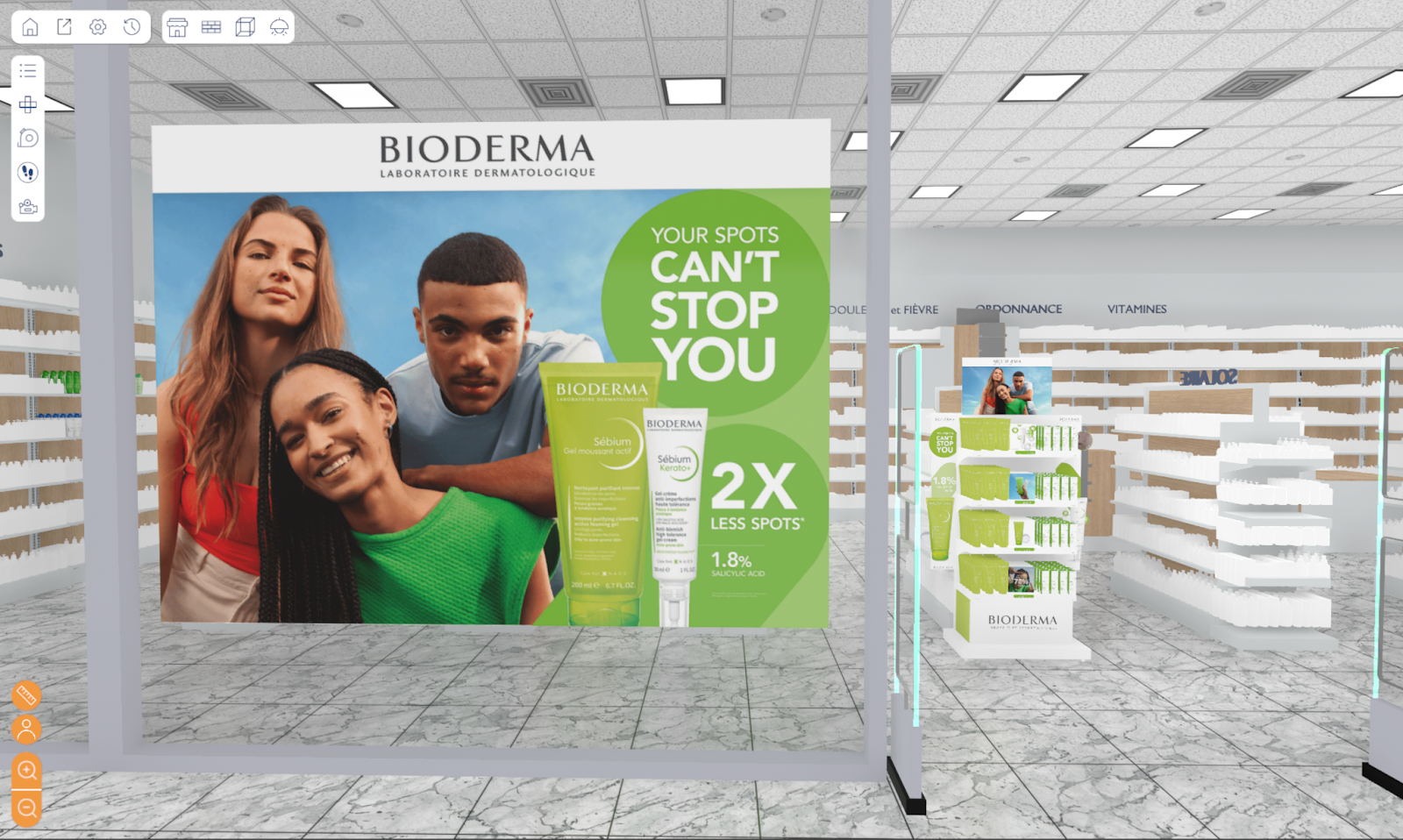
Rather than focusing solely on rules and plans, the brand structured its campaigns around the actual shopper journey at the point of sale.
Three areas became the common foundation for all installations:
- The entrance and window display to capture attention
- The shelf space to explain, reassure, and engage
- The counter to trigger conversion
This change in approach has altered the way subsidiaries adopt guidelines.
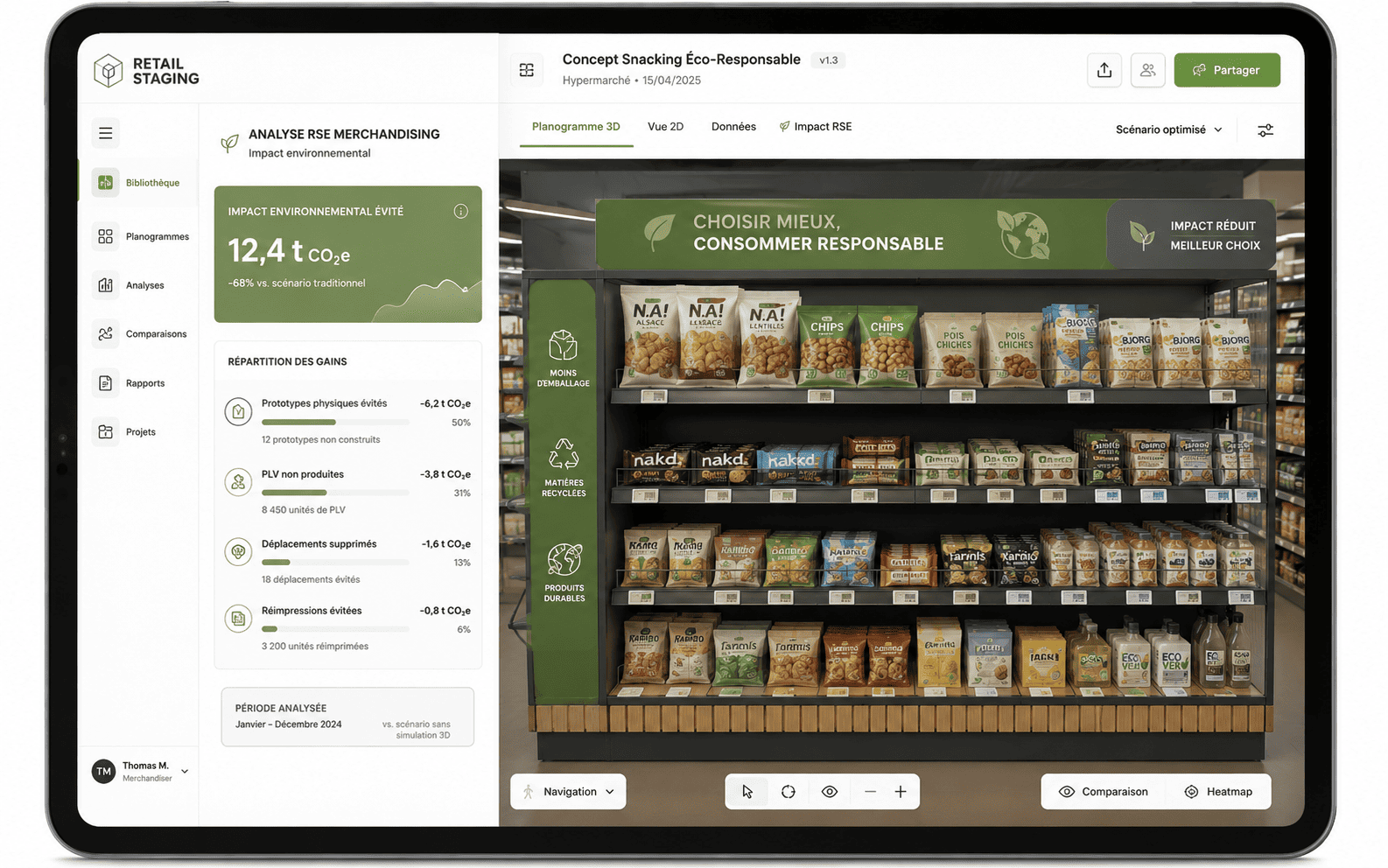
Instead of receiving a document to apply, local teams can project themselves into a concrete point-of-sale situation, visualize several scenarios, and understand the real impact of merchandising choices on visibility, traffic, and customer experience.
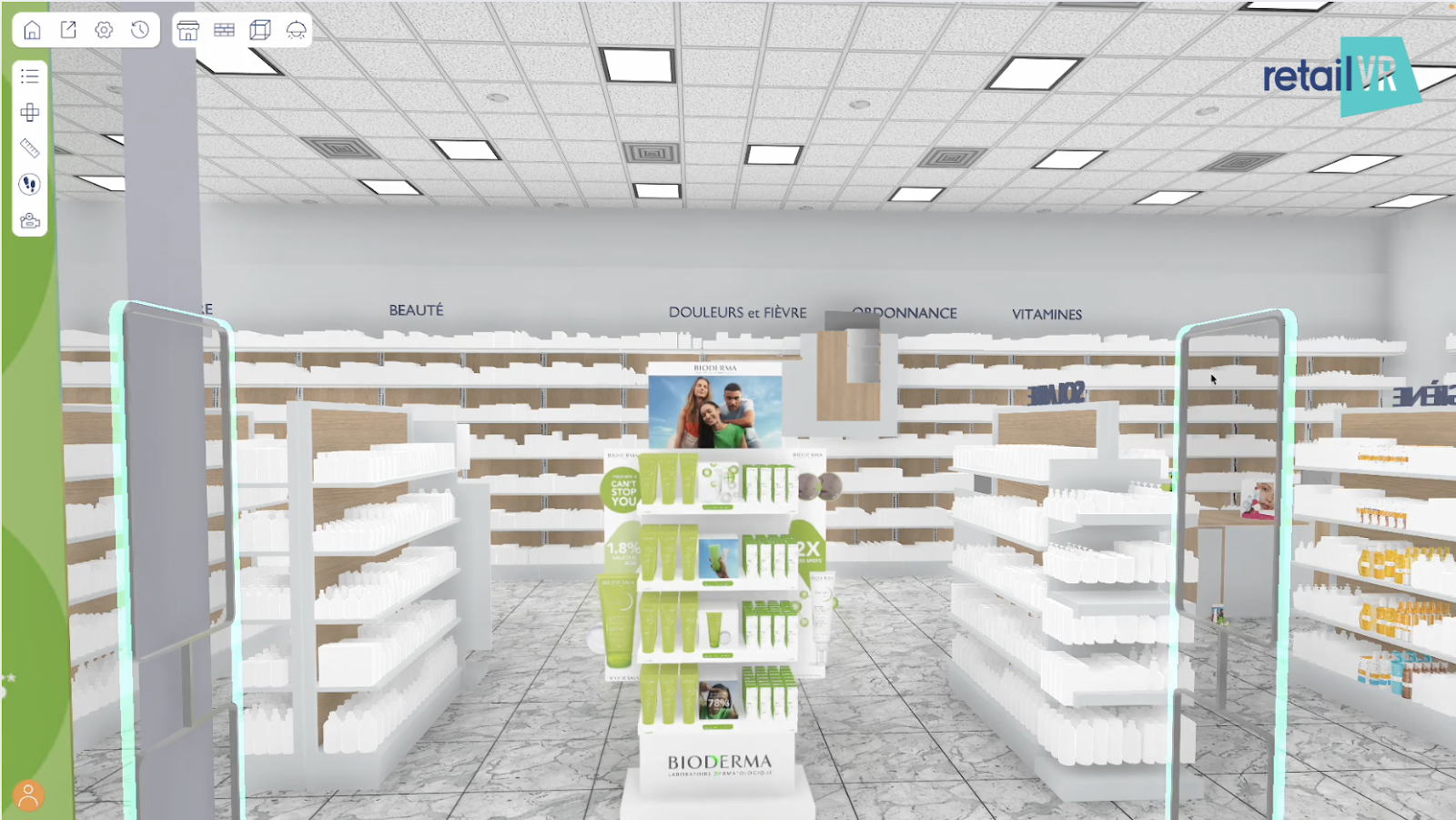
This preliminary work also makes it easier to get local marketing departments on board, as they can weigh up brand image and sales performance even before the campaign hits stores.
👉 Full case study: https://www.retail-vr.com/cas-clients/reussir-lancements-produit-international-pharmacie-merchandising-3d-bioderma

The method for deploying quickly, reliably, and at low cost
Organizations that successfully scale up typically follow a four-step approach.
1. Build a common reference framework
A single framework that brings together the brand concept at the point of sale, non-negotiable guidelines, and the key principles of the shopper journey. This framework serves as a common foundation for headquarters, regional offices, and subsidiaries. Centralizing this framework on our collaborative platform is particularly effective today.
2. Test before producing
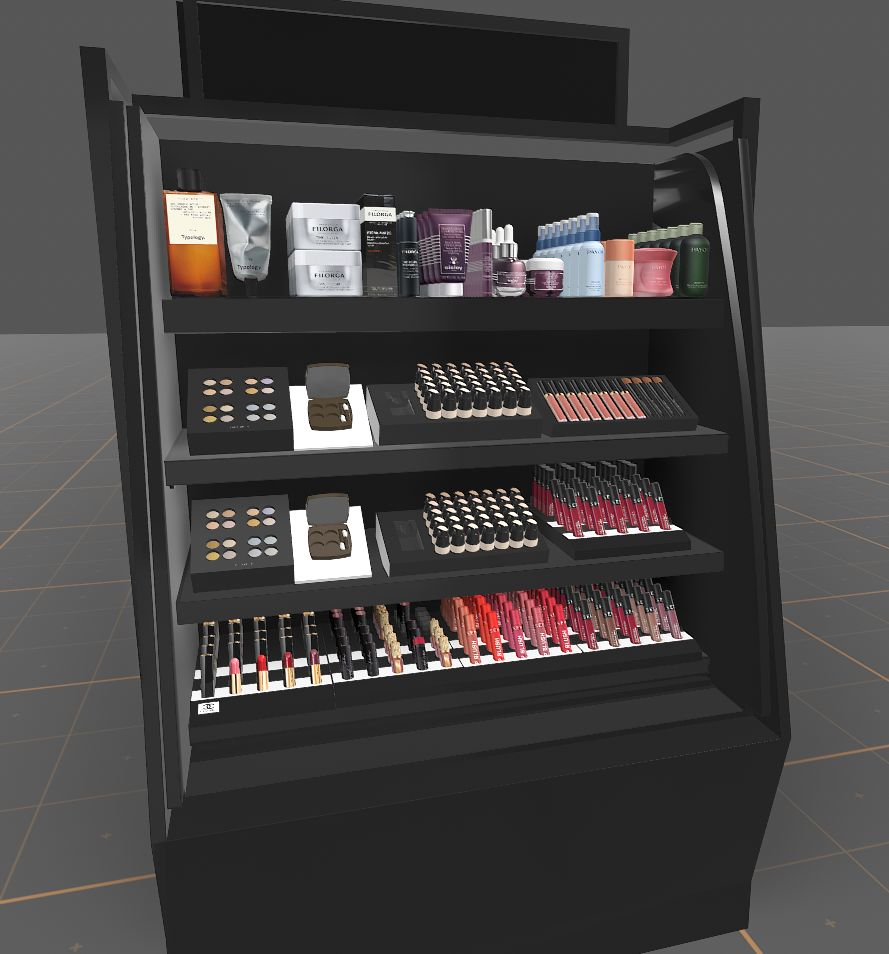
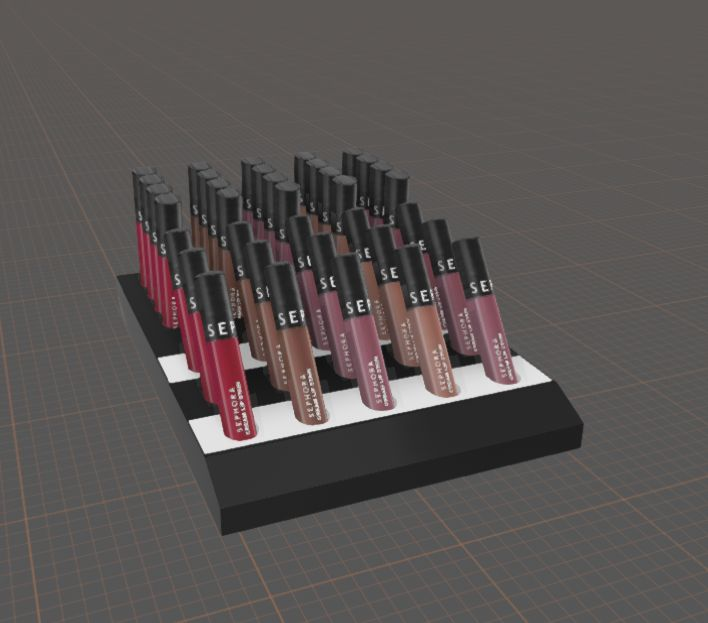
Before beginning production of point-of-sale displays, furniture, or fixtures, several scenarios are compared. Teams can assess which options work best based on store formats and markets. To speed up this phase, you can generate virtual models of your products to simulate your layouts with perfect realism.
3. Supporting local adaptation
Subsidiaries have clearly defined leeway regarding what can be customized and what must remain standard. This allows them to take ownership of the merchandising plan and adapt it to local conditions without becoming overly rigid or losing consistency.
4. Transform the guideline into an alignment tool
When it becomes a tool for training, dialogue with retailers, and collaboration between headquarters and countries, the guideline ceases to be a top-down document and becomes a genuine management tool.
NielsenIQ also points out that, in the beauty categories, the point of sale remains a key place for consumers to discover and feel reassured about products, which reinforces the importance of clear and consistent execution on the shelves.
Conclusion
On a large scale, beauty merchandising is no longer just about the quality of concepts, but about the ability of organizations to make them visible, understandable, and accessible to all teams, from headquarters to the point of sale.
It is in this transition from document to shared environment that certain brands are transforming their guidelines into a genuine system for managing international deployment.
To go further:
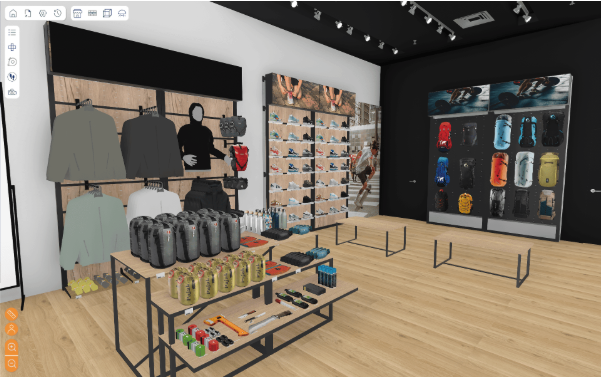
immersive merchandising platformhttps://www.retail-vr.com/solution- International client cases
https://www.retail-vr.com/cas-clients

.webp)
.webp)
.webp)

