


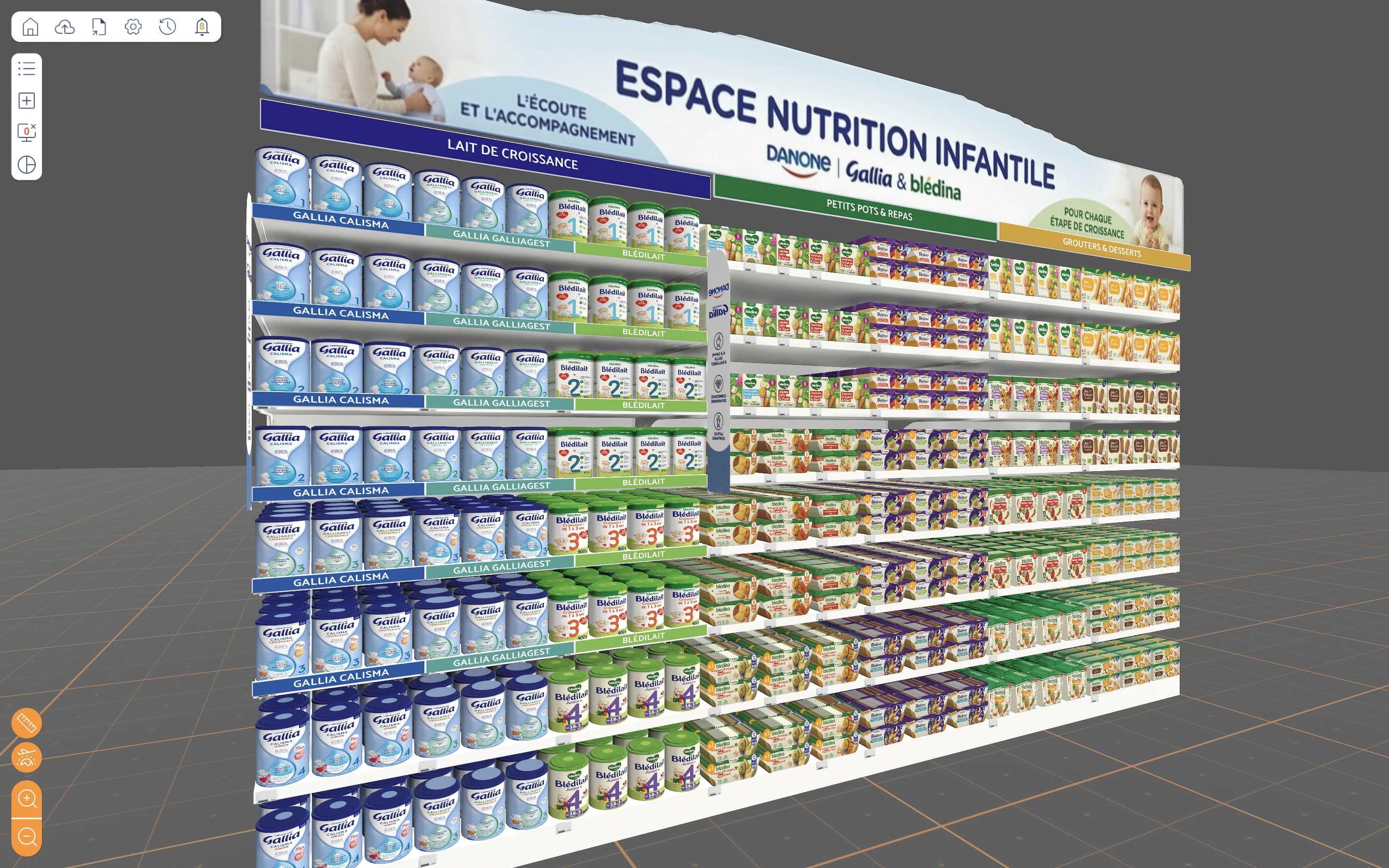
Today’s retail landscape demands an unprecedented level of responsiveness. To adapt to market changes, brands and retailers are increasingly shifting their decision-making processes toward agile, visual design tools. Faced with this challenge, companies must choose the right tools to equip their Category Management and Trade Marketing teams.
Two major philosophies stand in contrast: on one hand, the ultra-aggressive optimization of the supply chain embodied by a giant like Blue Yonder; on the other, the immersive agility and visual innovation championed by Retail VR.
Here is an objective comparison to help you determine which platform will best meet your profitability and deployment needs.
Comparison Chart: Retail VR vs. Space Planning (Blue Yonder)
Based on the evaluation standards for next-generation platforms, here is how the two solutions stack up in terms of their underlying architectures:
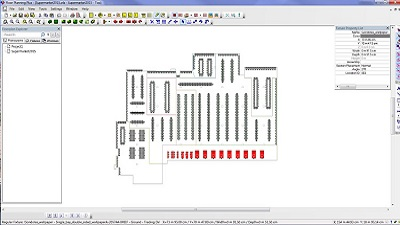
Blue Yonder Space Planning: Predictive Supply Chain
Blue Yonder is the undisputed global standard for large-scale retail enterprises. Its Space Planning module is part of a comprehensive ecosystem dedicated to supply chain management and warehouse orchestration.
The solution's strengths: Blue Yonder's power lies in its analytics capabilities and complex data modeling. When combined with supply chain solutions, the software excels at demand forecasting, inventory optimization, and global flow management. By directly linking store performance to logistics, Blue Yonder enables large retailers to manage vast networks with high analytical precision.
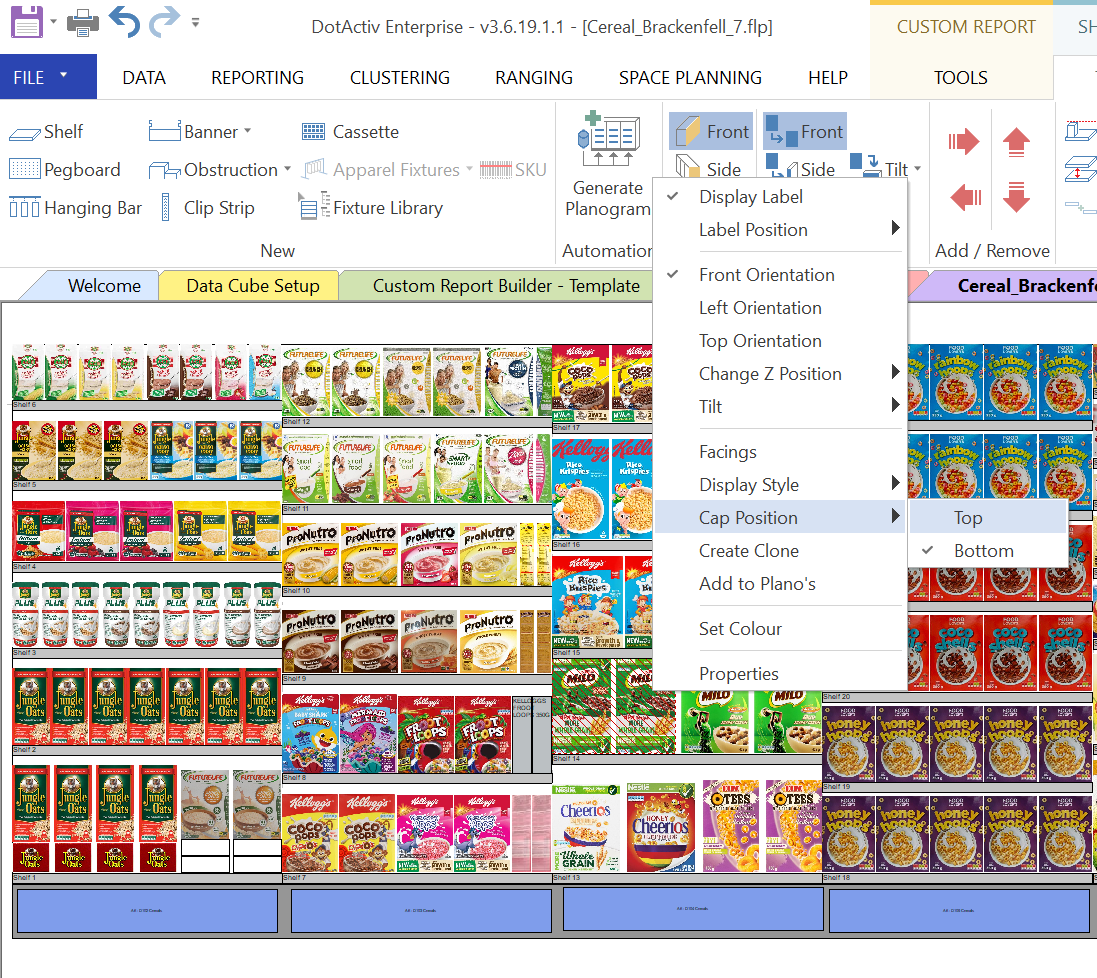
Structural limitations: However, this power comes with significant operational complexity. Many users report that licensing costs are extremely high and that the platform requires substantial IT resources to maintain. Implementation timelines are quite long, often requiring 12 to 24 months before generating a return on investment. Furthermore, the highly technical interface is rigid and not designed for visual creativity, making iterations by marketing teams particularly laborious.
Retail VR: Visual Agility Through 3D Immersion
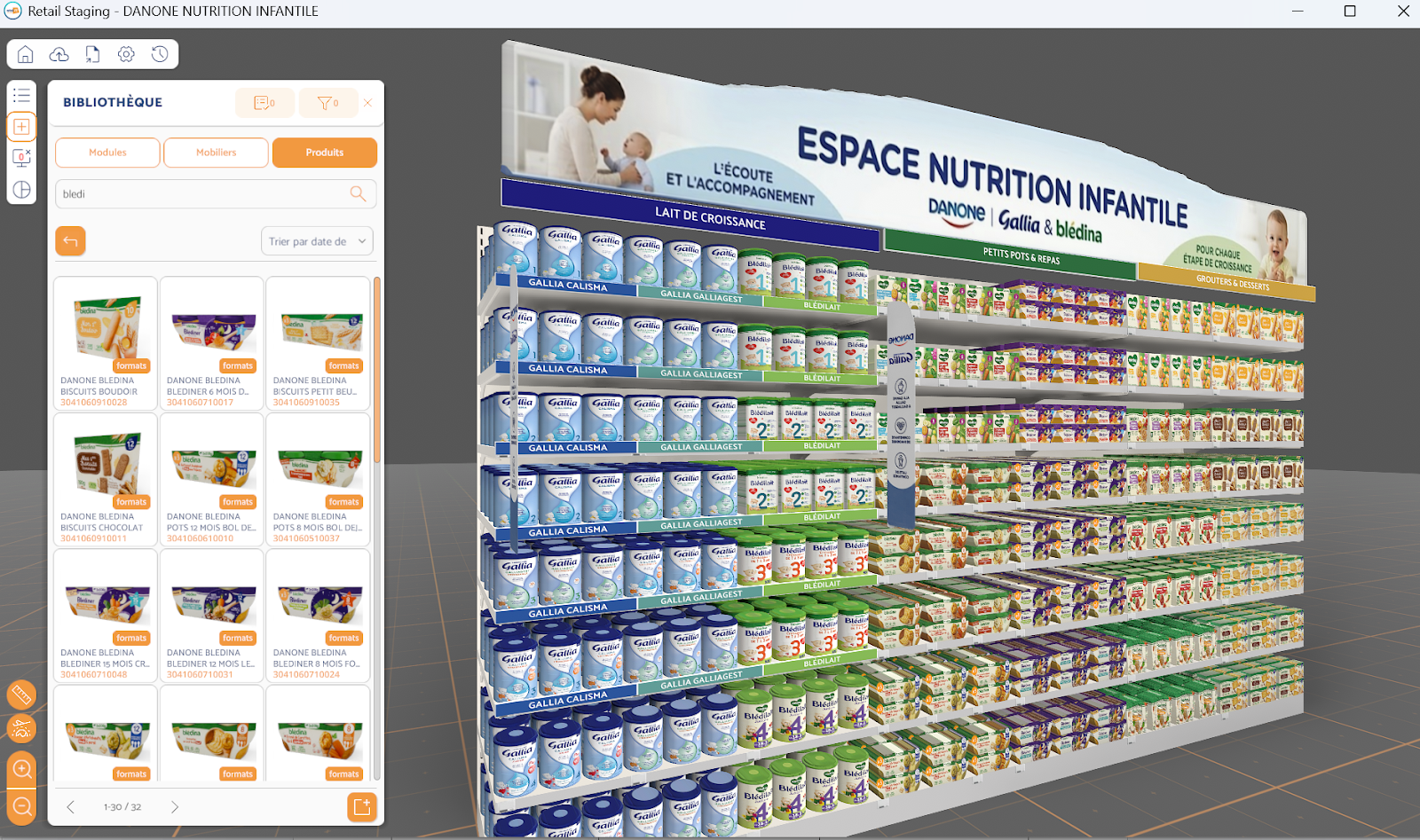
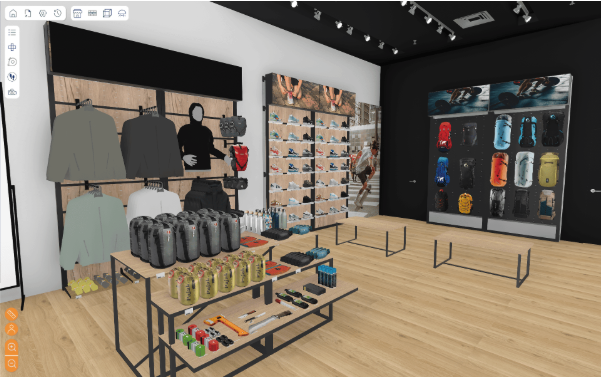
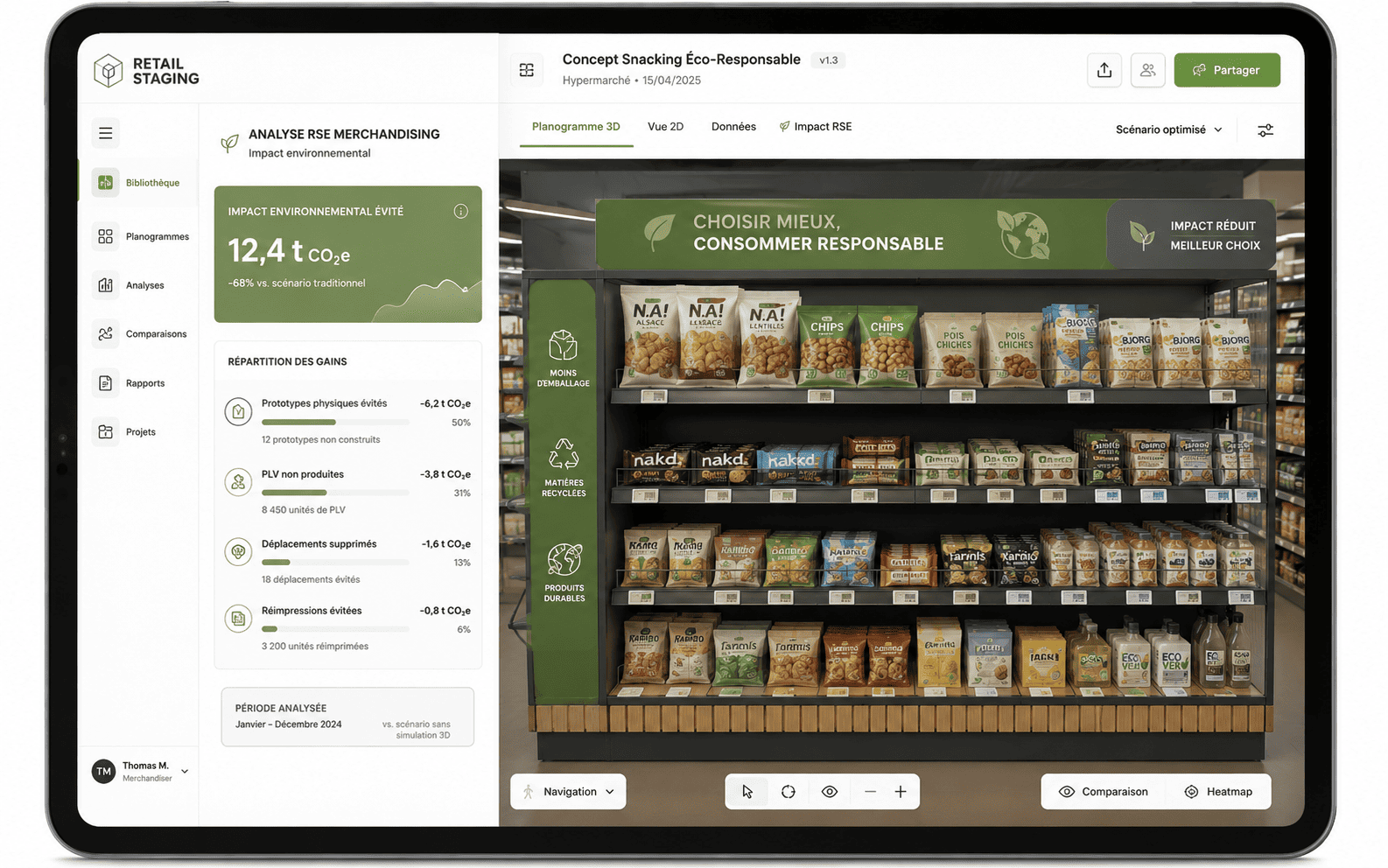
Unlike complex logistics architectures, Retail VR positions itself as the driving force behind innovation for Trade Marketing and Category Management teams. It is a platform specializing in 3D merchandising that enables teams to design, test, and validate concepts visually and collaboratively. Our platform, combined with a data architecture, enables teams to visualize their projects more realistically and make informed decisions based on data (sales, revenue, margin, days of inventory, etc.).
The 3D design revolution: The main barrier to adopting 3D technology in retail has always been the cost of modeling. Retail VR overcomes this challenge using patented AI that automatically generates 3D models of packaging from simple 2D photos, at virtually no additional cost. This complete autonomy makes it possible to digitize entire catalogs almost instantly.
The strengths of the solution:
- Drastically reduced time-to-market: The immersive approach, combined with simple yet powerful analytics, enables teams to simulate comprehensive merchandising plans and accelerate decision-making by a factor of 10.
- Integrated Shopper Tests: Unlike traditional merchandising software, Retail VR enables you to conduct qualitative and quantitative consumer research directly within digital twins of stores.
- Field Implementation: The in-store app allows sales teams to use augmented reality to project a product layout directly onto the shelf. Users report an average 13% increase in sales thanks to this immersive optimization.
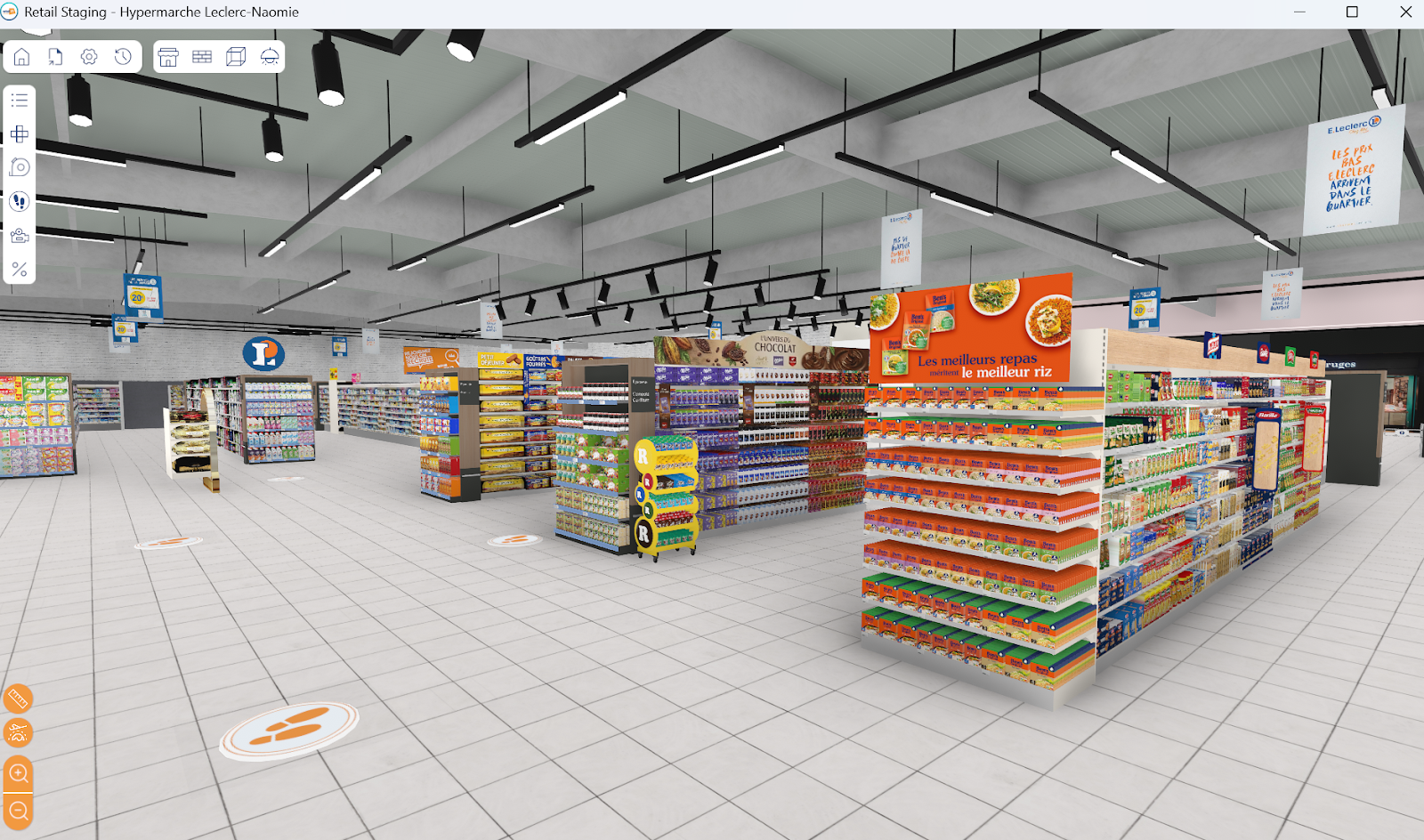
The verdict: Logistics analytics or visual agility?
The choice of your solution will depend largely on your organization's stage of maturity and profile:
- Choose Blue Yonder Space Planning if you are a large retail chain whose main challenge is not the visual design of the sales floor, but rather the large-scale synchronization of the supply chain with inventory, and if you have a substantial IT budget for a multi-year deployment.
- Choose Retail VR if you are a brand (CPG/FMCG) or a retailer looking for an agile solution to drive innovation. If your priority is to test concepts virtually with consumers, analyze the performance of your retail locations, or make a compelling case with striking 3D/VR visuals—all while ensuring a quick return on investment (deployment in just a few days or weeks).
Want to learn more? Request a demo

.webp)
.webp)
.webp)

